
When we think of healthy aging, the default mindset includes addressing physical health needs such as managing chronic conditions, mitigating muscle loss and improving balance or mobility. But physical health is only the tip of the iceberg when it comes to holistic wellness, or integrating wellness into every aspect of your life.
In other words, there are multiple dimensions of health to consider when we talk about being fundamentally “healthy” — apart from the clearly physical — that contribute to increased independence and satisfaction. For example, the Global Wellness Institute developed the concept of Wellness Real Estate, or a framework outlining six key dimensions of health:
-
Physical
-
Mental and spiritual
-
Social
-
Economic and financial
-
Environmental
-
Civic and community
By prioritizing integrative wellness in your home and considering all of these elements, you can facilitate a happier, healthier life as you age. The following piece shows you what a healthy home environment for independent aging looks like, and details on how to implement these changes in your daily life.
First Things First: Accessibility and Mobility Basics
We would be remiss not to mention some of the more common and necessary home modifications you can make to better support your physical health and well-being as you get older. These upgrades and installations typically consist of features that address age-specific concerns, including but not limited to:
- Fall prevention: Installing better lighting and removing tripping hazards like rugs or thresholds
- Balance: Installing grab bars in the bathroom and non-slip flooring
- Mobility limitations: Installing wide and step-free doorways or replacing stairs with ramps
Even if these enhancements aren’t medically necessary right now, proactive upgrades offer peace of mind because you know your house is equipped with safety features should you need them in the future. Therefore, the assurance of improved safety contributes to better psychological health, as well.
![[Free Guide] If you've ever asked yourself, "Why Should I Leave My Home?" this guide is for you. >>](https://no-cache.hubspot.com/cta/default/138300/53cc111c-5e89-440a-8a0f-3f979c7adb07.png)
Beyond the Basics: 10 Updates for a Healthy Home Environment
Of course, physical health is only one aspect of holistic wellness — there are plenty of other updates you can make to your home that contribute to a truly healthy atmosphere and promote independent aging. Beyond safety, older adults must consider the ways in which they can make their homes more peaceful and productive as they age in support of all-around good health. Take these ideas:
1. Maximize Social Spaces
Gathering places are a must in a healthy home, and they should provide ample opportunities for friend and family get-togethers. Dedicated social spaces include shared seating and conversation areas that offer room for playing games or other social events. Beyond face-to-face interaction, you can also equip your home with technology that enables communication with people you love who are long-distance, such as a mobile device with video chat.
2. Curate Artful Outdoor Areas
Curate a variety of tranquil outdoor spaces to enjoy, both individually and with others. These spaces are intended to encourage time spent outside in the fresh air and sunshine, so consider revamping your patio or porch space for maximum enjoyment with comfortable seating, heaters or a fireplace.
3. Incorporate Biophilic Interior Design
Integrate natural elements and organic additions like plants, water features and textures such as unfinished wood and stone inside your home. This is known as biophilic design, and apart from being aesthetically pleasing, this design philosophy can actually be therapeutic, as it’s “derived from an inherent need for humans to connect with nature in order to stay in physical and mental balance.” Nature connectedness has proven benefits, such as reducing stress, lowering blood pressure and inspiring creativity — just to name a few!
4. Prioritize Air Purification
Indoor plants also improve air quality, which is precisely why you should decorate with real plants if possible, because fake plants harbor dust and allergens. You can further reduce harmful allergens and indoor air pollutants by investing in an air purifier. Similarly, ensure your air filtration and ventilation systems are in working order and your HVAC system is well-maintained.
5. Reduce Unwanted Noise
Consider soundproofing certain rooms, such as the bedroom or office, to minimize unpleasant or distracting outside sounds like traffic and construction. Installing features such as heavy curtains or double-glazed windows can stifle noise pollution to facilitate more peaceful surroundings.
6. Automate with IoT Devices
Leverage smart home technology to make settings more accessible. Internet of Things (IoT) devices have numerous applications — use these convenient tools to control the lights, window shades, appliances (like the oven and washer) and electronics (like the television and thermostat). You can also incorporate smart medical alert systems throughout your home for added safety, which offer features like fall detection and instant caregiver communication.
7. Designate Room for Movement
You don’t need to dedicate an entire room to gym equipment, especially if you’ll never use it. All you need is a designated area — even an exercise mat or a corner for stretching will do — in which you prioritize movement for the sake of movement. Whether that involves purchasing at-home exercise equipment, doing laps in the pool a few times a week or simply clearing a clutter-free space for yoga and daily stretching, be intentional about incorporating movement into your environment each day.
8. Promote Healthy Food Prep
Choosing, planning and preparing meals can be tedious, so it helps to make the process smoother and more convenient:
- Keep healthy foods stocked and well-organized so they’re easy to see and access.
- Do your best to keep the kitchen neat and tidy, paying particular attention to countertops and other areas that tend to accumulate clutter.
- Designate specific zones for different functions such as prep, cooking and cleanup.
9. Create a Cozy Sanctuary
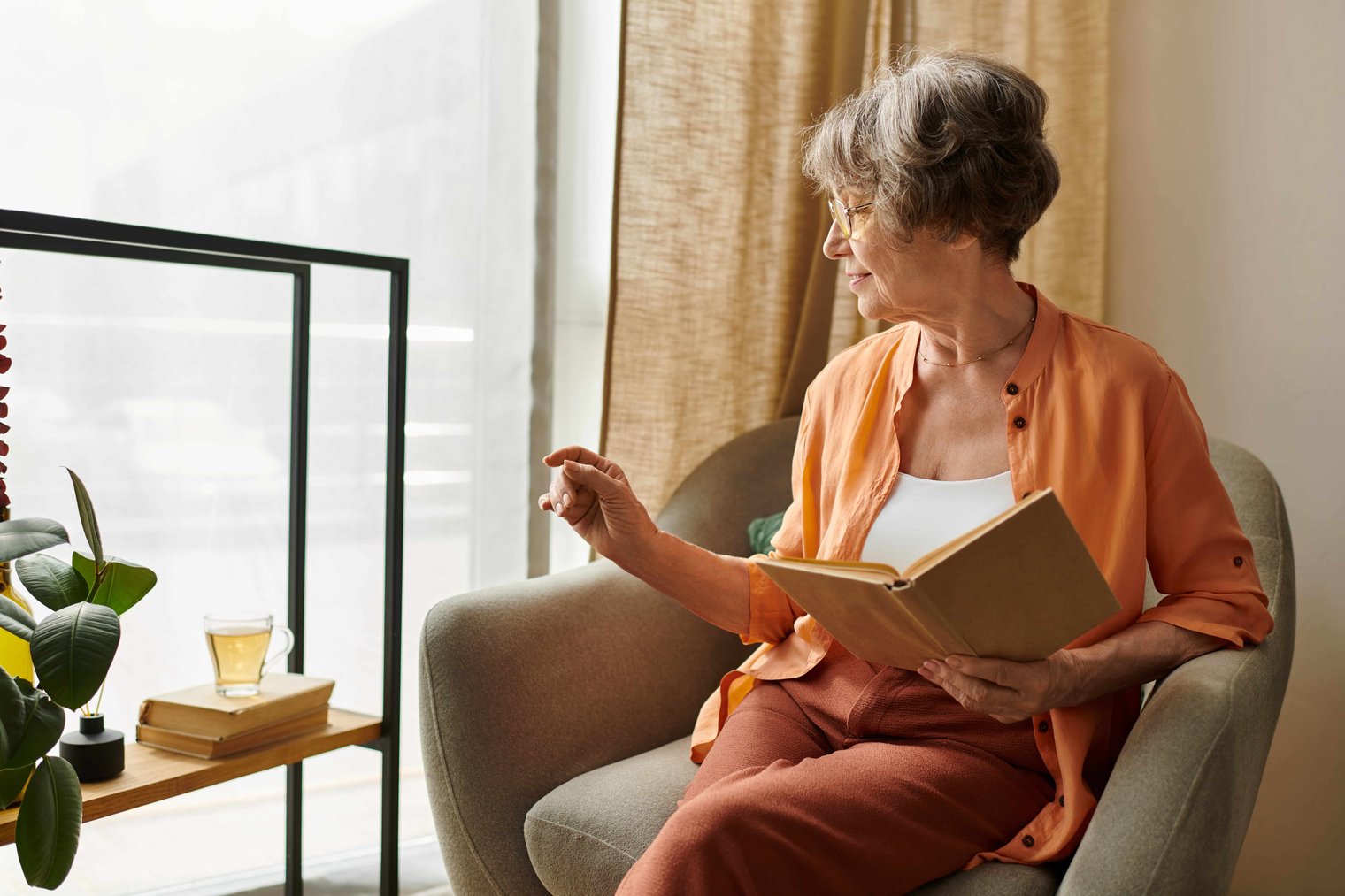
Even within your home, you need a place to get away. For many, their sanctuary tends to be a bedroom, but it can also take the form of an office, library, lounge or just a cozy reading nook. The intention should be to create a secluded, comfortable space for relaxation and solace. If you do opt for a bedroom, ensure that its setup encourages natural circadian rhythms to enhance sleep quality, which can include minimizing artificial light and covering indicator lights on electronics.
10. Stay Intellectually Stimulated
Be sure to stock your home with books, games, puzzles and other learning materials that offer intellectual stimulation (and provide additional opportunities to connect with others). We suggest learning a new language or instrument, taking up a craft like crochet or scrapbooking, getting into gardening or writing poetry — just ensure the necessary supplies are readily available and within reach!
How Do Life Plan Communities Support Holistic Health and Aging?
Life Plan Communities, also called continuing care retirement communities or CCRCs, support holistic health and aging by incorporating wellness into every aspect of life on campus, making it easy to live better and healthier. Residences and campuses are intentionally designed based on essential dimensions of Wellness Real Estate.
Let’s face it, you’re probably looking at the lists in this article and thinking, “That’s a lot of projects to tackle.” Renovations and home improvement projects only become more demanding as you age, so this line of thinking is completely valid.
Although you can choose to make these integrative wellness upgrades to improve independence and well-being in your existing home, you can also consider a move to a Life Plan Community, where many of these amenities are included.
Life Plan Communities embody a healthy home environment, offering:
-
Ample socialization opportunities: Take advantage of social spaces and meet new friends at every turn.
-
Accessible homes: Apartments designed for older adults and those with limited mobility are available to every resident.
-
Access to nature: Explore a variety of outdoor areas and take in the natural surroundings.
-
Wellness services: Participate in fitness programs in addition to accessing regular wellness coaching and preventative care.
-
Healthy food options: Nutritious meals made with fresh, local ingredients are prepared daily by a team of chefs.
-
Low-maintenance living: Say goodbye to deep cleaning and mowing the lawn every week!
Home Is Where Holistic Health Lives
Your home should be safe, but there’s much more to consider than physical safety when updating your home for healthier living as you age. Your residence may be accessible, but is it welcoming? Rejuvenating? Tranquil? All of these characteristics are important for a home centered in integrative wellness, and you deserve a space that meets all of your health needs.
Remember, you don’t have to stay in your family home forever. In fact, you may find that other options like a Life Plan Community provide even more opportunities to live your best life.