
%20(1).jpg?width=2268&height=945&name=Senior%20Wellness%20-%20Hero%20(1)%20(1).jpg)

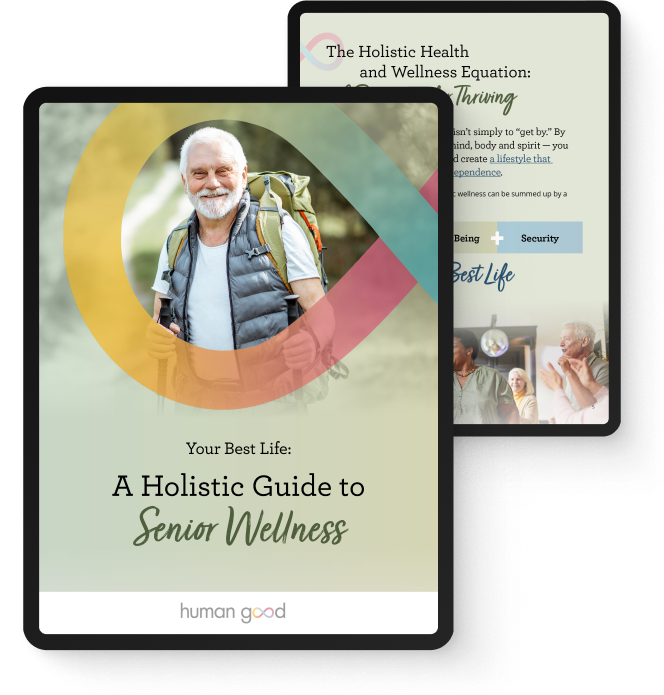
Your Best Life:
A Holistic Guide to Senior Wellness
Table of Contents
- Healthspan vs. Lifespan
- The Holistic Health and Wellness Equation
- The Power of Connection
- Physical Well-Being
- Mental Well-Being
- The Foundation of Security
- Senior Wellness
- Healthy Aging FAQs
When you hear the term “wellness,” it may call to mind exercising, visiting the doctor or eating healthy foods. While these things do impact your health, true holistic wellness goes much deeper.
Holistic wellness is an approach to life that looks at the whole person, taking into consideration the close connection between your mind, body and spirit — and the way daily living and choices impact your overall health. When you’re stressed or anxious, you often feel it in your body as headaches or muscle tension. When you’re overjoyed, butterflies tickle your stomach. Your mind and body don’t exist in separate boxes or as separate parts of you; they influence each other every day.
Healthy aging isn’t just about managing medical conditions or reacting when a health concern arises. The key is shifting to a proactive mindset by making daily choices that support your connections to others, your physical well-being and your overall sense of security — the three key pieces of the equation to holistic wellness and experiencing your best life.
Holistic wellness is an approach to life that looks at the whole person.
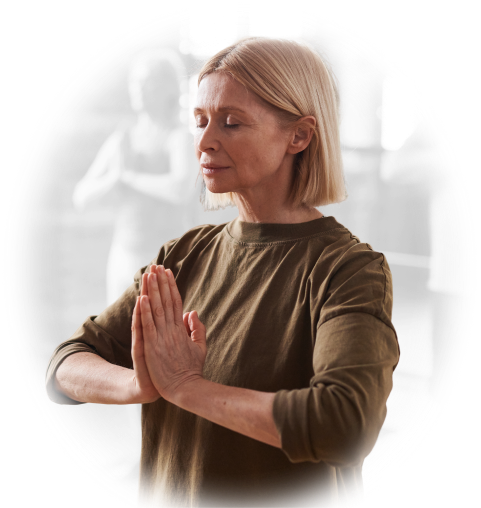

Lifespan, the total number of years a person lives, is a familiar concept. But another equally important concept is healthspan, or the length of time you spend in good health. In other words, lifespan is about quantity while healthspan is about quality.
The reality is that your body will go through changes over time. Your cardiovascular system may need to work harder. Your joints may feel stiffer. Your vision or hearing may not be as sharp as before. The good news is that you can influence how and why your body changes with the choices you make every day, the environment you live in and even your outlook on life.
Learning about and prioritizing changes that can increase your healthspan instead of just lifespan enables you to maintain independence, stay mentally sharp and emotionally resilient, and continue doing what you love for longer. When you build a lifestyle focused on your holistic health and wellness — a positive mindset, nourishing foods, a sense of security, social connections and regular movement — you can keep your healthspan going strong.
Let's dig into what will help you
create and maintain a
holistic health and wellness mindset.

As each year passes, the goal isn’t simply to “get by.” By caring for your whole self — mind, body and spirit — you can shape the way you age and create a lifestyle that supports your vitality and independence.
At its core, better aging through holistic wellness can be summed up by a simple equation:
This equation is the key to your best life:
- Connection: Regular, heartfelt interaction with others gives life meaning and builds emotional resilience.
- Well-being: Caring for your body and mind through movement, nutrition for healthy aging, stress management and intellectual growth are key to staying strong mentally and physically.
- Security: Experiencing physical, emotional and financial security creates a foundation of stability and provides the peace of mind to live more fully, with less worry.
Think of this holistic formula as your blueprint for not only adding years to your life but also making those years vibrant and purposeful.

In every stage of life, relationships give our days joy. Decades of research show that social connections fuel both emotional and physical well-being. For older adults, in particular, social connections are a powerful force that drives overall health and feelings of happiness.
But connection isn’t just about surrounding yourself with other people; it’s about experiencing a sense of belonging and support. In the same way, community isn’t only a physical place but also a state of being you create through intentional actions and choices.
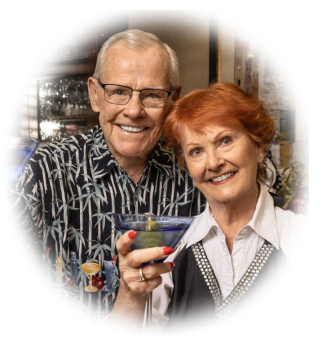
When we first moved from Florida, we didn’t know anyone, so we leaned into our passion for volunteering and our need for socialization. Giving of our time and talents has provided us a sense of belonging and the opportunity to give back to our community. ... I know firsthand how important it is to feel connected with others, so if I can inspire just one person to get involved, then I’ve done my job."
Tips for Creating Social Connections and Community
Try some of these simple ways to weave connection into your daily life:
Clubsor groups
Interest-based social events provide a natural way to spark conversation, whether in a large or small gathering.
Volunteering
Giving back often leads to finding and bonding with “your people,” creating friendships grounded in shared purpose and compassion.
Groupwellness
Health and friendship go hand in hand — improve your health while experiencing encouragement and motivation through group fitness.
Communityevents
Meet like-minded individuals and enjoy an environment that naturally sparks conversations.
Technology
Video calls, messaging apps, online groups and hobby clubs, and social media can keep you connected.
Takingthe initiative
Host social events, invite a neighbor for a walk or pick up the phone to chat with a family member you haven’t seen in a while.
Connection doesn’t happen without effort. It’s built through openness and a willingness to reach out. By choosing to make the effort, you’re giving yourself the gift of joy and a sense of belonging that makes every stage of life richer.

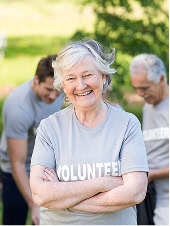

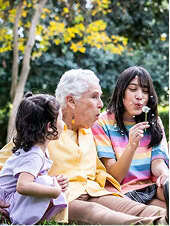

Each year presents an opportunity to embrace your changing body and celebrate all that it empowers you to do. Maintaining your body isn’t only about the gym or fitness classes; it’s also about reducing health risks and staying physically active for longer.
As your hair begins to turn gray and you start to see a few wrinkles, you may also notice a decline in your cardiovascular fitness, changes to your bone strength, stiffer joints, an increase in cavities and occasional forgetfulness. These changes can affect your daily life, but the good news is that you have the power to manage some of them through lifestyle choices and holistic health and wellness practices.
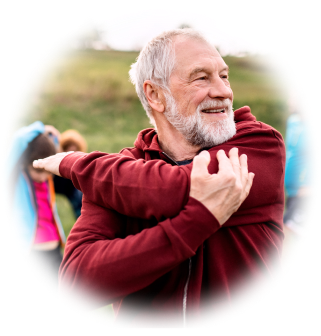
Physical Health
Regular movement doesn’t just strengthen
your muscles; it also provides a wealth of
other benefits, including:
- Improving your sense of balance, which can help with preventing falls and avoiding injuries
- Boosting your heart health and stamina
- Supporting your immune system by reducing overall inflammation and lowering the risk of chronic health conditions, such as diabetes
- Strengthening your bones, which tend to lose mass after age 50, increasing
your risk of osteoporosis - Maintaining mobility by keeping your muscles and joints strong and flexible
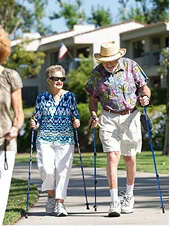
Whether you enjoy walking, attending water aerobics classes or gardening, find an activity that feels good and motivates you to show up and move.
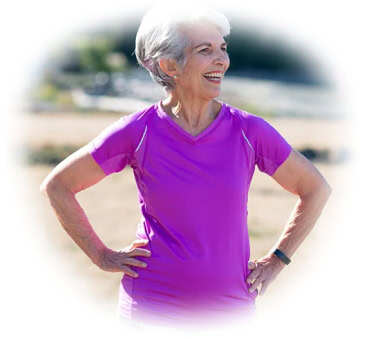
Marti, a resident of The Terraces of Phoenix, a HumanGood Life Plan Community, understands the value of maintaining her physical strength in this stage of life. She lifts weights, attends exercise classes with friends and kicks up her heels at regular community line dancing lessons. “You feel so good. It makes a world of difference!” she says.
Exercise is the key to longevity. It’s all about physical and mental health, and it keeps me stretched out.”
Nutrition
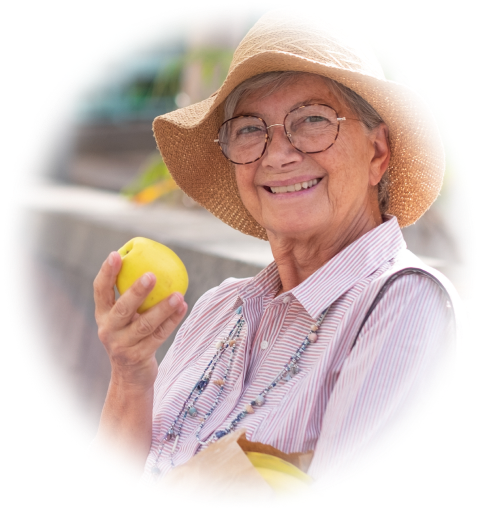
As you age, eating healthy is essential to maintaining your well-being. During this time of life, you need fewer calories but require more nutrients to prevent potential vitamin deficiencies of B12, calcium, potassium and more. Choosing the right nutrition helps maintain your cognitive health and keep your body strong.
When you’re choosing nutrition for healthy aging, thoughtfully approach mealtimes by selecting nutrient-rich foods that make a real difference in how you feel each day. To maintain a healthy diet, prioritize colorful fruits and vegetables, lean proteins, whole grains and healthy fats.
_1.png?width=603&height=533&name=Mask%20group%20(1)_1.png)
Hydration
Did you know that your body’s thirst signals weaken with age? You’re naturally inclined to drink less than your body needs, but making sure to stay hydrated supports your digestion, joint health and energy levels throughout the day.
Implement simple strategies to stay hydrated, such as:
- Flavoring your water with a bit of lemon or your favorite tea bag
- Investing in a reusable water bottle to carry regularly
- Drinking at least one full glass of water with each meal or with your daily pills
- Getting more fluid from foods, such as watermelon, tomatoes, cucumbers and more
%20copy%203.png?width=481&height=499&name=Mask%20group%20(1)%20copy%203.png)
Preventive Health Care and Screenings
Seeking preventive health care and regular screenings is one of the most powerful tools for increasing your healthspan. Staying on top of regular checkups, screenings and vaccinations can detect potential issues early so you can address them promptly.
Ask your health care provider for specific guidance on which screenings and vaccinations are appropriate for you. Key screenings and vaccinations often include (but are not limited to):
- Vaccines, such as flu, pneumonia and shingles
- Cancer screenings, including for cervical, breast, colorectal, lung and prostate cancer
- Cholesterol and diabetes tests
- Osteoporosis screening
- Blood pressure screening
- Dental, eye and hearing tests
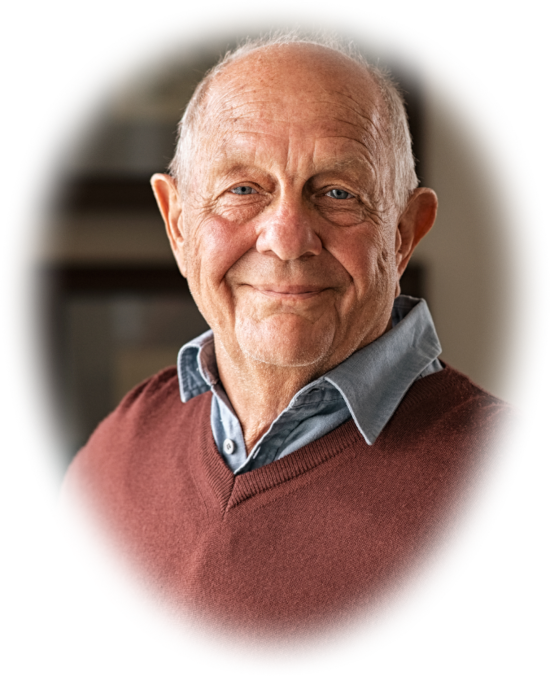
Medication Management and Safety
As you age, you may find yourself being prescribed more medications, which can increase the risk of adverse interactions, side effects and dosing mistakes. Staying organized and informed is key when it comes to medication management, including:
- Keeping an up-to-date list of all medications, including supplements
- Conducting regular medication reviews with your pharmacist and health care provider
- Using pill organizers and setting reminders to take your medications on schedule
- Asking questions about potential side effects and interactions whenever one of our prescriptions changes
By paying attention to these aspects of your physical well-being, you not only strengthen your body today but also lay the foundation for continued independence and a higher quality of life in the years ahead.




True holistic wellness isn’t only about keeping your body strong. It’s also about nurturing your mind and spirit. When you cultivate contentment and purpose, you’re enriching your days while setting the stage for a longer and more fulfilling life.
Living With Joy and Purpose
Your mental health flourishes when life feels meaningful and purpose-driven. Consider incorporating the following strategies throughout your day to foster
a positive mindset:
- Mindfully reflecting on your day by journaling in a quiet place or simply breathing slowly in the morning sun, which can make you feel centered and more in touch with your mind and body
- Choosing purpose-driven activities, such as volunteering and helping others
- Embracing faith-based resources and events — such as prayer, meditation and faith communities — to fulfill your spiritual needs
- Experiencing the power of nature by regularly getting fresh air and exposure to green spaces to boost your mood and mental health
Our committee has helped to repair benches and paint light poles, mailboxes andcurb numbers. These are all small tasks, but it gives my life purpose to help and serve others. It is one thing to just live here, but it’s another thing to feel like you are contributing to the greater good of the community. Eileen and I are doing just that through our volunteering, and it feels great to give back!”
Maintaining Your Cognitive Health
Your brain and body thrive on stimulation and curiosity. Lifelong learning is one of the best ways to keep your mind sharp and engaged, including:
- Attending continuing education opportunities, such as lectures, language courses, speaker series and more, to stimulate your cognitive processes
- Seeing and experiencing new things to keep your curiosity alive, such as museums, theater performances and cultural events
- Engaging in activities that fortify your memory and logical thinking, such as puzzle-building, trivia nights, card games and more
Getting Regular Sleep
As each year passes, you may notice disruptions in your long-standing sleep routines and shifts in your circadian rhythm. In fact, up to 40% of older adults experience regular sleep disruptions, which can increase the risk of high blood pressure, heart disease, memory issues and falls.
To get at least 7-8 hours of sleep per night — the recommended amount for all adults — try the following strategies:
- Establish a routine, going to bed and waking up at the same time each day.
- If possible, create an ideal sleep environment with a comfortable bed and room temperature.
- Watch what you eat and drink late in the day, including avoiding alcohol and caffeinated options, such as coffee, tea, chocolate and certain supplements.
- Minimize screen time in the evening, including avoiding watching television or looking at smartphones, tablets and computers.
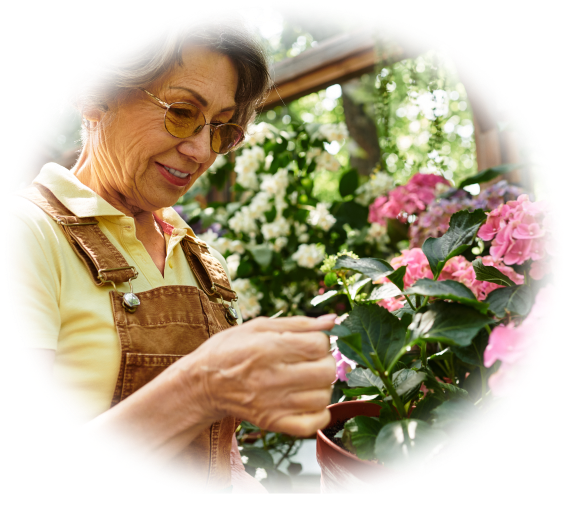
Pursuing Your Hobbies and Passions
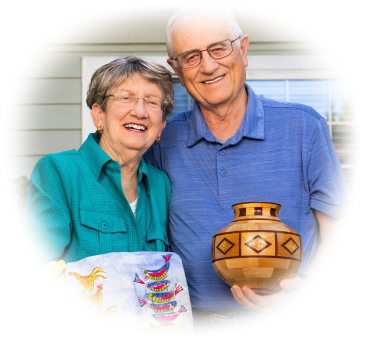
Doing what you love isn’t just enjoyable; it’s vital for your mental health and longevity. When you continue a lifelong passion or discover a new pastime, hobbies fuel your creativity and joy.
Try art, music or writing classes, or explore community gardening, woodworking and crafting opportunities. Each activity empowers you to connect with others, receive emotional support and express yourself in new ways.
Cultivating Environmental Wellness
Your surroundings matter more than you may realize. A safe, supportive environment provides comfort, while access to nature and fresh air boosts your mental health and energy.
At home, changing your environment in simple ways can enhance your overall safety. Eliminate tripping hazards, add brighter lighting or incorporate safety measures, such as grab bars and nonslip mats, in strategic areas.
Engaging with nature adds another aspect to holistic wellness and is scientifically proven to play a part in controlling stress, improving your attention span and mood, and reducing the risk of cognitive issues. When you relax on the porch and take in the view, stroll around the block or get dirt under your fingernails in the garden, you create a deeper sense of connection to the world and people around you.
Danny, a resident of Westminster Gardens, a HumanGood Life Plan Community in Duarte, California, never had much of a green thumb, but as he learned to take care of his late wife’s African violets, he became inspired. He now has his own garden, where he grows vegetables and exchanges insight and advice with his gardening neighbors.
“With the time and space, I’ve started to experiment,” Danny says of his adventures in the garden. Enjoying time in nature has inspired him in ways he never expected and created a deeper sense of connection to his community.




When your basic needs — your health, peace of mind and financial stability — are cared for, you gain the freedom to flourish. Instead of worrying about what-ifs, you can focus on priorities such as building meaningful relationships, pursuing your passions and enjoying the joys of daily life.
Creating a foundation of security for senior wellness isn’t about limiting you. It’s about empowering you to live fully and fearlessly.
The Elements of a Foundation of Security
Creating true security means establishing a blend of everyday supports that provide confidence and peace of mind. Together, these elements form a foundation.
As you age, the elements that become essential include:
-
The ability to handle maintenance for your home: Do you have the physical and financial ability to manage the upkeep and repairs where you live?
-
Access to care if needed and emergency services when necessary: Is the care you need, whether it’s routine health care, supportive services or quick access to emergency medical response, close at hand?
-
Financial security in knowing you have enough resources: Does your lifestyle create predictable costs and allow for thoughtful planning, so you can look into the future with clarity?
Technology as a Tool for Creating Security
Modern technology makes it easier than ever to support your long-term holistic wellness. With the right tools, you can build healthy routines and stay connected.
-
Apps: Apps can establish and guide your daily health-related habits. These may include brain-training games, mindfulness practices, nutrition trackers, water reminders and medication management tools.
-
Wearables: Consider investing in a fitness watch, health ring or medical alert device to track your physical activity and health while keeping you safe no matter where you are.
-
Social platforms: Prevent loneliness and see the people you love regularly through video calling. You can also connect with old and new friends via social networking and online communities related to your interests, career and hobbies.
-
Delivery services: Receive groceries, prescriptions and other essentials at your doorstep, freeing up time and energy for other events you enjoy.
A Life Plan Community: Whole-Person Wellness With Long-Term Security
For many older adults, a Life Plan Community provides the ideal blend of independence and security. Benefits include:
-
Access to care if and when you need it, so you never have to handle health challenges alone
-
A low-maintenance lifestyle that frees you from worrying about home repairs, maintenance, yard work, snow shoveling and more
-
Financial security with a contract that brings greater predictability to your lifestyle and care expenses, and legacy planning that protects your resources and provides peace of mind for the people you love
In addition, nonprofit Life Plan Communities often offer the security of a benevolence program that will guarantee your residence should you outlive your financial resources through no fault of your own.


To cultivate holistic well-being as you age, you need the freedom to shape your life in ways that reflect your unique needs, preferences and values. No two individuals age in the same way, and your journey is yours to define.
Thoughtfully designed Life Plan Communities promote senior wellness and improve your healthspan by creating a strong foundation of support for the life you want to live. In fact, studies have shown that residents of Life Plan Communities report significantly better health, levels of physical activity and positive perceptions of aging than their counterparts who don’t live in a Life Plan Community.
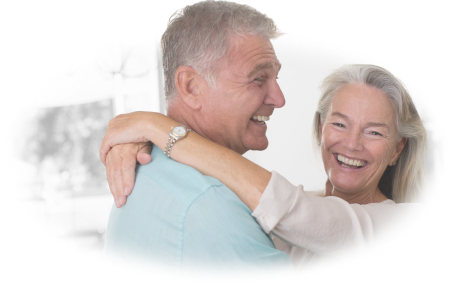
No two individuals age in the same way, and your journey is yours to define.
Whether you choose the support of a Life Plan Community or not, you deserve to be supported in an environment that empowers you to maintain your health by nurturing every part of who you are — body, mind and spirit.
Your best life isn’t only about living longer but also living better. With the right support, you can fill your days with vitality and purpose for a phase of life that is joyful and uniquely yours.
You deserve to be supported in an
environment that empowers you
to maintain your health by nurturing every part of who you are.
Your current and future independence go hand in hand with careful planning. By making thoughtful choices now (e.g., organizing your finances, completing advance care planning and exploring supportive living options, such as Life Plan Communities), you build a foundation that empowers you to live freely today while being prepared for tomorrow. Think of proactive future planning as giving yourself the gift of peace of mind.
According to the Centers for Disease Control and Prevention, adults 65 or older should participate in 150 minutes of moderate-intensity aerobic physical activity each week. This number may seem high, but when you break it into small, enjoyable 30-minute sessions per day, it’s an achievable goal that helps you maintain mobility and independence.
Yes, preventive care is one of the best tools for not only living longer but also improving your healthspan. Important recommended screenings for people age 60 and older include:
- Blood pressure
- Cancer screenings, including colorectal, prostate and breast exams
- Regular ear, eye, dental and skin exams
- Bone density testing
- Blood screenings, including cholesterol, diabetes, thyroid and hepatitis C
- Vaccines, such as flu and shingles
Be sure to check with your health care provider for recommendations related to your personal health needs and history.
The main warning signs of cognitive decline include persistent memory loss, confusion when handling familiar tasks and changes in overall mood or judgment. Unlike occasional forgetfulness, cognitive decline can show up as:
- Missing important appointments
- Struggling to follow conversations
- Experiencing difficulty managing daily routines
- Frequently misplacing items
- Difficulty problem-solving
- Changes in personality
If you notice any of these changes in behavior, check in with a health care provider because early support can help maintain quality of life over time.
Older adults have access to a variety of mental health resources, including private counseling, community programs and technology-based tools. Options include:
- Professional support through therapists, counselors or support groups
- Community and senior centers that offer classes, programs and social opportunities
- Mindfulness and meditation apps, telehealth-based counseling and online support groups
- Spiritual communities and health care providers that offer encouragement and guidance to more personalized resources
Find a Community Near You
Discover how a HumanGood Life Plan Community provides the recipe for living your best life filled with meaningful connections, security and well-being.
FIND A COMMUNITY{{name}}
{{#if street_address_2}}{{street_address_2}}
{{/if}}
{{phone}}
{{/if}} {{#if website}}{{/if}} {{!-- {{#if distance}}{{name}}
{{street_address_1}}
{{#if street_address_2}}{{street_address_2}}
{{/if}}
{{phone}}
{{/if}}Independent Living
{{else}}Residential Living
{{/if_eq}} {{/if}} {{#if skilled_nursing}}Skilled Nursing
{{/if}} {{#if memory_care}}Memory Support
{{/if}} {{#if assisted_living}} {{#if_eq state 'Pennsylvania'}}Personal Care
{{else}}Assisted Living
{{/if_eq}} {{/if}}