Skip to content

Hope Heights

Hope Heights is a new affordable community for adults 55+ in Tacoma, Washington.

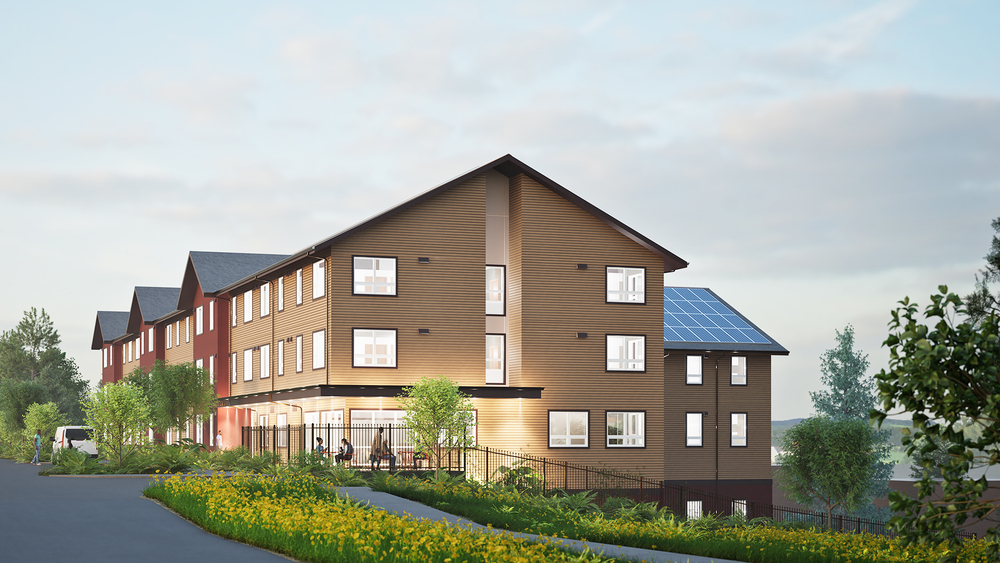
Exterior of Hope Heights building

Our Homes

  • 62 one-bedroom apartments
  • Accessible features
  • Pet-friendly environment (breed and weight restrictions apply)
  • Emergency call system
Two senior women sitting on a brown couch, holding white mugs and smiling at each other

Amenities & Services

  • Community common spaces
  • On-site laundry room
  • Fitness room
  • Coffee bar
  • Outdoor terrace
  • Community administrator, maintenance and resident services
  • Resident parking
  • Secure building
  • Elevators
  • Beautiful views of Mount Rainier and Commencement Bay
  • Convenient to public transportation
  • Close to restaurants, grocery stores and St. Joseph Medical Center
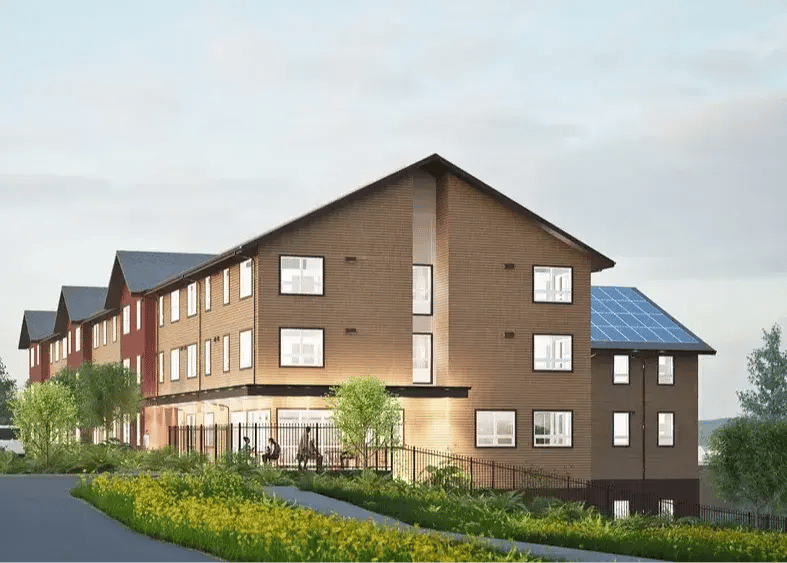
Exterior of Hope Heights building

Eligibility Requirements

Applicants must satisfy resident selection and applicable admission requirements, including age and annual income. Eligibility categories include seniors who:

  • Are 55 years and older
  • Earn 30% of the area median income
  • Earn 50% of the area median income

How To Apply

Applications for this community will be available soon. Please check this page in the months ahead for access to the application.

A smiling woman shows a tablet to a senior man in a cozy room

Location

Address

1951 South Yakima Avenue
Tacoma, WA 98405

Location Benefits

  • Convenient to public transportation
  • Close to restaurants, grocery stores, St. Joseph Medical Center and UW-Tacoma
  • Beautiful views of Mount Rainier and Commencement Bay

Policies

It is the policy and commitment of HumanGood that it does not discriminate in housing and housing-related transactions on the basis of race, color, sex, religion, gender, gender identity, sexual orientation, national origin, ancestry, age, familial status, marital status, source of income, handicap or disability, or arbitrary characteristics. HumanGood affirms its policy of equal housing opportunity pursuant to state and federal fair housing laws.

It is HumanGood’s policy to provide reasonable accommodations in housing for housing applicants and residents with disabilities where reasonable accommodation is necessary to provide them with an equal opportunity to use and enjoy their apartment and the common areas of the rental community where they live.

This policy is in furtherance of the goal of providing affordable housing to low-income persons regardless of disability and in compliance with applicable federal, state, and local law. A reasonable accommodation is a modification or change that the HumanGood-owned or managed property (HumanGood community) can make to its policies procedures, processes and or to the person’s apartment or to a common area which would assist an otherwise eligible person with a disability to benefit from the HumanGood community provided, that the change does not pose an undue financial and administrative burden to the HumanGood community or result in a fundamental alteration of its program.

The reasonable accommodation policy and procedures outlined here apply to applicants and residents at HumanGood communities who are qualified individuals with a disability. The HumanGood community may require reliable documentation or verification of the disability, that the individual needs the accommodation and that the accommodation is likely to be effective. The HumanGood-owned or managed community will thoroughly and promptly consider any request for a reasonable accommodation, and will explain the basis for any denial to the requestor. In the course of evaluating and responding to a reasonable accommodation request, the HumanGood community will seek to engage in a process of dialogue and joint problem-solving with applicants and residents.

Residents are permitted to keep common household pets in their apartments. Service or assistance animals are also welcome. Applicants and residents must inform the community’s management about their requirement for a service or assistance animal.

The pet rules that are attached to the lease at this community are instituted to help maintain a decent, safe and sanitary living environment for the residents of the community. The rules include guidelines on the registration and inoculation of pets, the sanitary disposal of waste and the restraint of pets while in common areas to help ensure that existing and prospective pet owners know their responsibilities to their pets and neighbors, as well as the property.

Management will not apply pet rules to assistance animals and their owners. This prohibition does not preclude an owner from enforcing state and local health and safety laws, nor does it preclude the owner from requiring that a resident with a disability who uses an assistance animal be responsible for the care and maintenance of the animal, including the proper disposal of the assistance animal’s waste.

Smoking is not permitted anywhere on the premises. Residents will be required to sign a non-smoking agreement and must undertake that they or their guests will not be permitted to smoke in their apartments or anywhere on the premises.

This community is a Low-Income Housing Tax Credit (LIHTC) program. Unlike the HUD Project-Based Rental Assistance Program, LIHTC maximum rental rates are set annually by HUD, based on the rise or fall of the area median income (AMI) in the county where the apartment building is located. During the tax credit allocation process, income "set-asides" (income brackets) are established for the property, which determine the maximum income a household can have to qualify for a unit. While a tenant's income is used to determine their eligibility for the tax credit unit, the rent itself is based on the AMI and the apartment size.

Gross rent is the maximum allowable rent, while net rent is the amount payable by the tenant after the utility allowance is deducted. The LIHTC program does allow for rents to be increased, as needed, if there is an increase in the AMI to offset increased management and operating costs. The rent could be increased to the maximum tax credit rent limits even if the resident's income remains the same or decreases.